




















A new wave of women in Singapore is reshaping fitness through discipline, strength, and intention. As performance takes priority, brands and communities are evolving to meet a more focused, empowered generation.
On any given morning in Singapore, the rhythm of the city begins earlier than it once did. Pavements fill with runners moving in quiet focus, while gyms hum with the steady cadence of strength training long before the workday begins. What was once a casual commitment to staying active has taken on a more deliberate tone, shaped by a generation of women who are approaching fitness with intention, structure, and a clear sense of purpose.
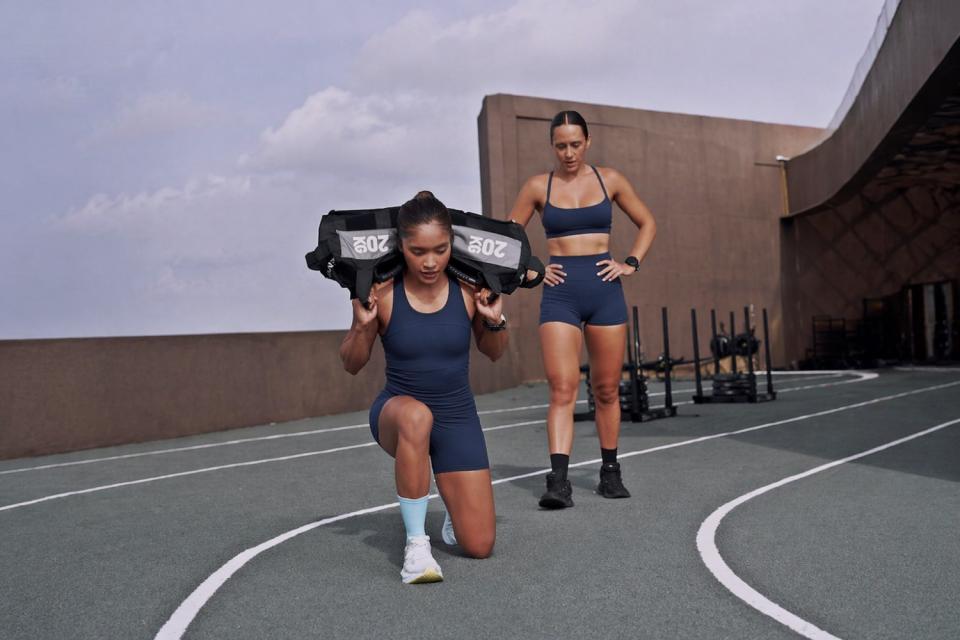
This shift is most visible among those aged 18 to 35, where consistent training has become part of everyday life rather than an occasional pursuit. Run clubs have evolved into communities, and strength training is no longer reserved for specialists. It reflects a broader cultural recalibration, one that places performance, endurance, and long-term wellbeing above fleeting aesthetic ideals. The language of fitness has changed, and with it, the expectations surrounding it.
Yet, as participation deepens, the activewear landscape has been slower to respond. Much of the market still leans towards fashion-led athleisure or performance gear that has not fully accounted for the specific needs of women training at higher intensity. The gap is subtle but significant, sitting somewhere between style and substance, where many women find themselves underserved.
It is within this space that Anya Active has found its footing. Founded in 2020 by Melinda Sutikno, the Singapore-based label reflects a shift away from surface-level design towards a more considered, performance-driven approach. What began with a broader focus on inclusivity has sharpened into a clear identity, one that speaks directly to women who train regularly and expect more from what they wear.
There is a quiet confidence in the way the brand approaches design. By focusing exclusively on women, it is able to refine fit and functionality without compromise. Fabrics are breathable, quick-drying, and antimicrobial, built to support high-intensity movement rather than simply accommodate it. Pieces such as its run shorts have gained a following not because they follow trends, but because they perform consistently under pressure.
The philosophy extends beyond the product itself. Anchored by the idea of moving with pride, the brand aligns with a growing mindset among women who are redefining their relationship with fitness. Strength has become the new measure of progress, replacing outdated notions of appearance with a more grounded sense of capability and self-assurance. It is less about how the body looks and more about what it can do over time.
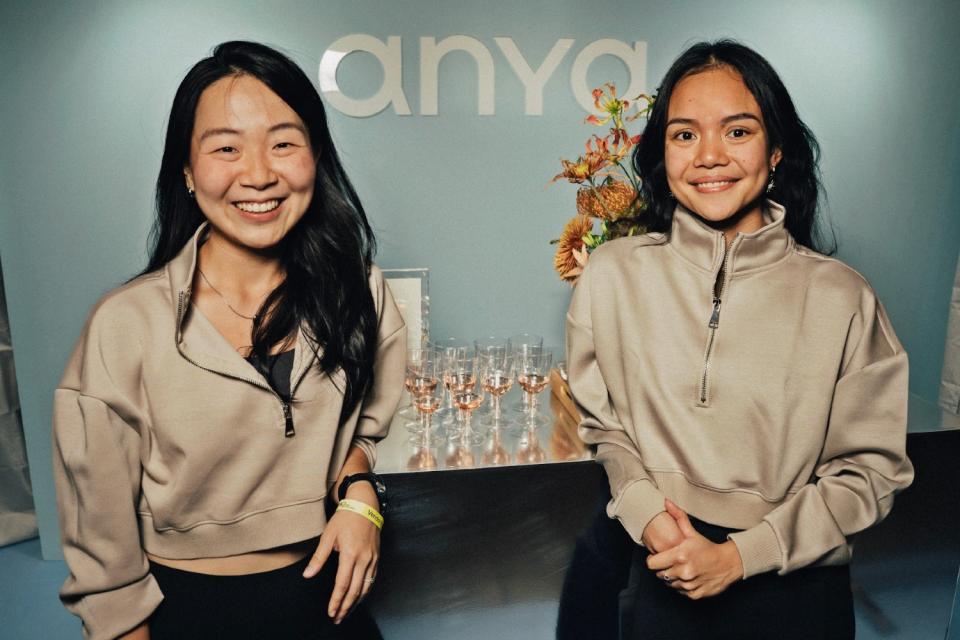
This perspective has also shaped a sense of community that feels both intentional and necessary. Through initiatives like Run Proud and Train Proud, women are invited into spaces designed specifically for them, where training becomes less about comparison and more about shared experience. These sessions, often held in collaboration with local gyms, offer an environment that encourages participation without pressure, allowing women to engage fully on their own terms.
The physical presence of the brand has followed naturally. What began as a temporary retail experiment has settled into a permanent space at Cluny Court, marking a shift from emerging label to established name within Singapore’s evolving fitness landscape. Beyond the city, its reach has extended into Malaysia and Indonesia, with global shipping supporting a growing international audience drawn to its performance-first ethos.
At the centre of it all is a founder whose journey mirrors the brand’s philosophy. Melinda Sutikno did not grow up immersed in sport, discovering her connection to movement later through running. That first step into fitness, tentative yet transformative, continues to inform the brand’s direction today. It lends a sense of authenticity to the narrative, one that resonates with women who may not have always identified as athletes, but have grown into that identity through consistency and intent.
As Singapore’s fitness culture continues to evolve, it is becoming clear that this is not a passing trend. It is a sustained shift towards a more thoughtful, performance-led lifestyle, where the tools, spaces, and communities surrounding it are expected to rise accordingly. In that context, brands that listen closely and respond with precision are not just participating in the conversation, they are helping to shape it.