
















Thanks to their exclusive partnership with Cinquième Sens, a renown Perfumery School in Paris, Nose Who Knows NWK offers olfactive workshops for professionals, students, kids and all the curious out there. Is your work piling up and your stress level rising?
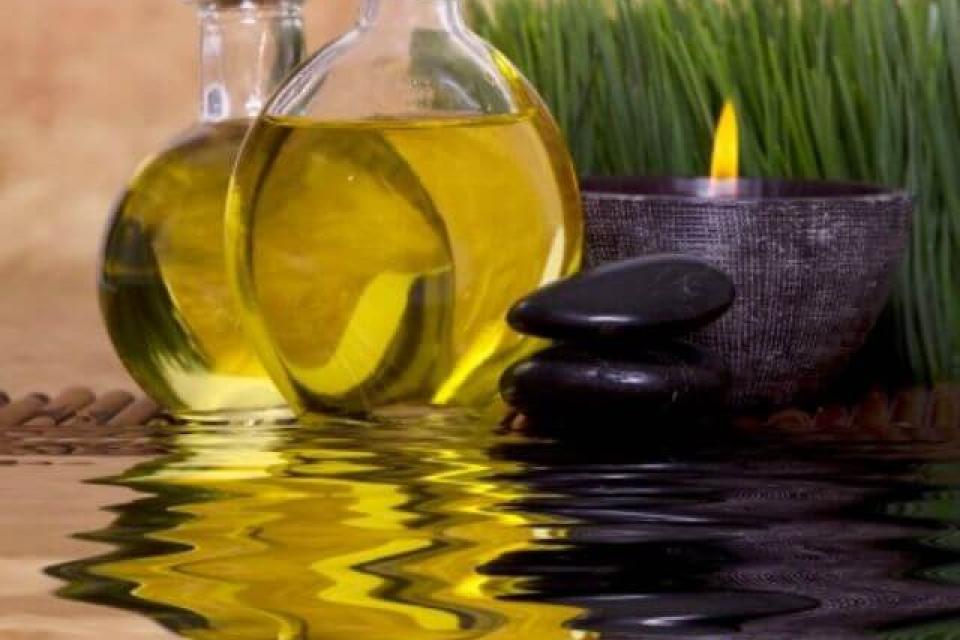
Fret not, today we discover aromatherapy! For those who are first coming across this term, aromatherapy means using plant materials and aromatic plant oils, including essential oils, and other aromatic compounds to impact one’s mood, cognitive, psychological or physical wellbeing, usually for the better.
The topic on whether aromatherapy really helps is controversial and depends greatly from one individual to the next. Some people state that it makes them feel calm and relaxed. However, on the other hand, some people find aromatherapy doesn’t help their mood at all.
Let’s begin by asking this question, “What is the first country that pops up in your mind when you see the word ‘aromatherapy’?” Is your answer Egypt? Well, here is a little background
Way back in 4000BC, Egyptians had actually already incorporated aromatic oils in their offerings rituals to gods and embalming the dead. The oils are such as cedar wood, clove, cinnamon and nutmeg. Later during the 18th and 25th century BC (1539-657BC), people started using it for different purposes like medication and perfumery. Then these practices started to spread to other parts of the world and the oils are traded across countries/continent like Greece, Rome, China, and India (Asia). Some aromatic medicinal herbs are such as Sandalwood and Patchouli.
Have you come across this famous Traditional Chinese medicine call Po Chai Pills made from several herbs mainly for relief of indigestion or bloating?
For those who have taken Po Chai Pills before, you will agree that it smells like patchouli. Po Chai Pills have this warm and herbaceous scent.
However, we are unable to find any website that stated it has patchouli Po Chai Pills. Instead, there are up to 14 other herbs
Actually, the term aromatherapy (aromatherapie) only first appeared in early 1900s and credit goes to René-Maurice Gattefossé, a French chemist. It is said that he had his hands burnt during an experiment and quickly soaked it into the nearest tub of liquid, which was lavender oil. He was amazed how fast the burn recovered and without much scars. Thus, he spent long time studying the medicinal properties of essential oils and now also known as “Father of Aromatherapy” for his ground-breaking scientific research.
After which, people learnt about it and started using essential oils for different healing and therapeutic purposes as well. Today, these aromatic oils are also incorporated into certain ointments.
According to one news report article; essential oils are expensive air fresheners. It is because they help in counselling sessions, improve one’s concentration and are said to increase the immune system to prevent outbreak of hand, foot and mouth disease, yet there is no sufficient evidence of this reported.
In Asia, the usage of aromatherapy oils is growing as people are searching for a healthier and better lifestyle. This trend can be seen in cities like buzzing Singapore with its high stress level and busy work life.
Aromatherapy tips?
Here are 5 common essential oils. They help us with coping stress, nervousness and frustration.
1. Lavender oil
Whenever the word aromatherapy comes to our mind, lavender oil will be the first thing we thought of and it is also one of the most commonly known aromatherapy essential oil for many of us. It smells fresh, floral and slightly herbaceous. It helps greatly in calming, relaxing and balancing! This means that it works similarly as an anti-depressant and all you have to do is add a few drops into your air diffuser!
2. Peppermint oil
Peppermint is used in flavouring widely. For example, it is added in chewing gums and drinks or work as a spice in food and it does play a part in aromatherapy too! This fresh and minty scent helps in vitalizing, refreshing and provide a cooling feel that will perks you up when you take a whiff after being worn out! However, concentrated peppermint oil should not be applied onto the skin as it can irritate the skin.
3. Geranium oil
For people that dislike the smell of lavender, Geranium oil is a great alternative as it helps in relaxing as well. The smell of geranium oil is floral and ranging from sweet to fresh/green, depending on the type of geranium oil. It is a one of the major component in concocting a rose fragrance. A few other blogs/websites have also mentioned that it can help in balancing hormones.
4. Lemongrass oil
The general properties of lemongrass are very similar to peppermint. Hence for those of you who prefer the scent of lemongrass (Fresh, lemony and earthy) more than peppermint, you can use it as well for vitalizing and refreshing purposes! To add on, it helps in controlling emotions and headache! Do note that when lemongrass oil used in excess, it can irritate the skin.
5. Sandalwood oil
Sandalwood possesses this warm, rich, sweet and woody scent whereby it can help it uplifting, calming, balancing, maintain alertness, ease the nausea feeling.
Remember, if you want to use these essential oils for aromatherapy massaging, you have to mix it with carrier oils such as jojoba oil or almond oil!
It’s now time for you to kick start your stress relieving plan!
A TEDx speaker, Ms Sandy Blandin is the founder of Nose Who Knows, a fragrance studio dedicated to Olfaction. With a Masters in the Chemistry of Perfume and Aroma, Sandy has accumulated over 15 years of vast experience and worked closely with perfumers to create winning fragrances for global companies including Procter & Gamble, Unilever and L'Oreal.
By working alongside the marketing and consumer research teams, she developed in-depth market & consumer knowledge for Europe, the US, Latin America and Asia, where she has lived for the past 8 years. Sandy has been conducting workshops for Sephora & Coty, product launch events for Procter & Gamble, Team building for Ferragamo & Dior.
Sandy has been partnering with International Schools to hone children’s sense of smell and since last year, she has been collaborating with the Ministry of Communication and Information of Singapore on an initiative called MAnyWaysOfSeeing.
Brought To You By Expat Choice