















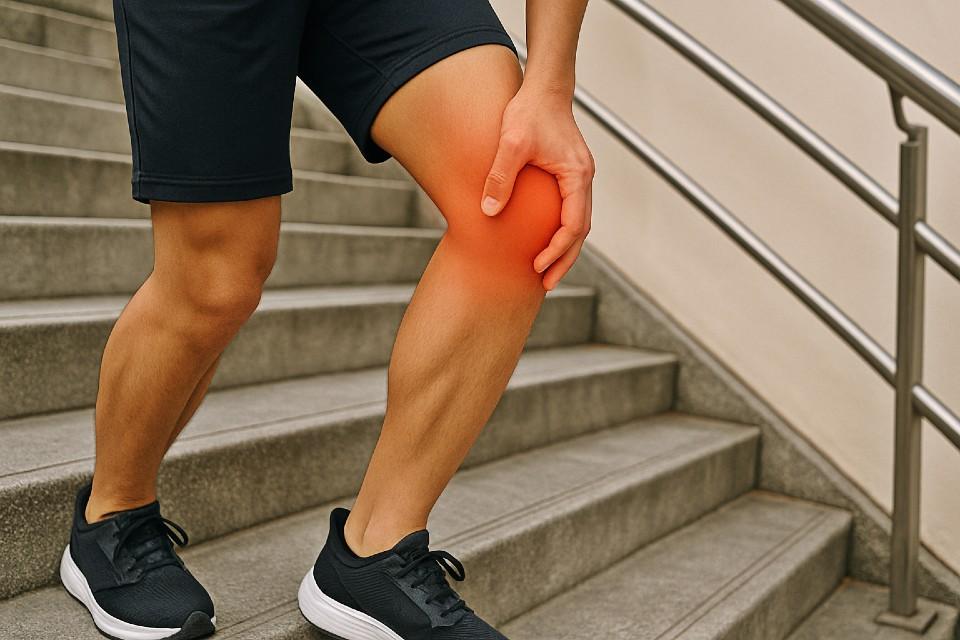
Climbing stairs is something we do every day. But for many people, it can cause pain in the knee.
If you feel aching, stiffness, or a sharp pain when going up or down stairs, you are not alone. This type of knee pain is common. It often happens because of problems in the knee that may get worse if not treated early.
Not all knee pain is serious. But if the pain does not go away or gets worse, it might be a good idea to see a doctor or knee specialist.
In this article, you will learn why your knees might hurt on the stairs and what you can do to manage the pain and protect your knees.
Why Is the Knee So Important?
The knee is one of the most important and hardworking joints in your body. It supports your weight and allows you to move during everyday activities such as walking, standing, sitting, running, and climbing stairs. Each time you bend or straighten your leg, your knee joint is involved.
The knee is made up of bones, cartilage, ligaments, tendons, and muscles. All these parts need to work together to keep your knee stable and moving well. If one part is injured or out of balance, it can lead to discomfort and make movement more difficult.
Looking after your knees helps you stay active, mobile, and independent at any stage of life.
Why Does My Knee Hurt When I Climb Stairs?
Knee pain felt during stair climbing often happens because this movement puts extra pressure on the joint. It especially affects the area where the kneecap (patella) meets the thigh bone (femur), called the patellofemoral joint.
This added pressure can reveal existing problems in the joint or nearby tissues, such as weakness, injury, or wear and tear.
Here are some of the most common causes:
Patellofemoral Pain Syndrome (PFPS)
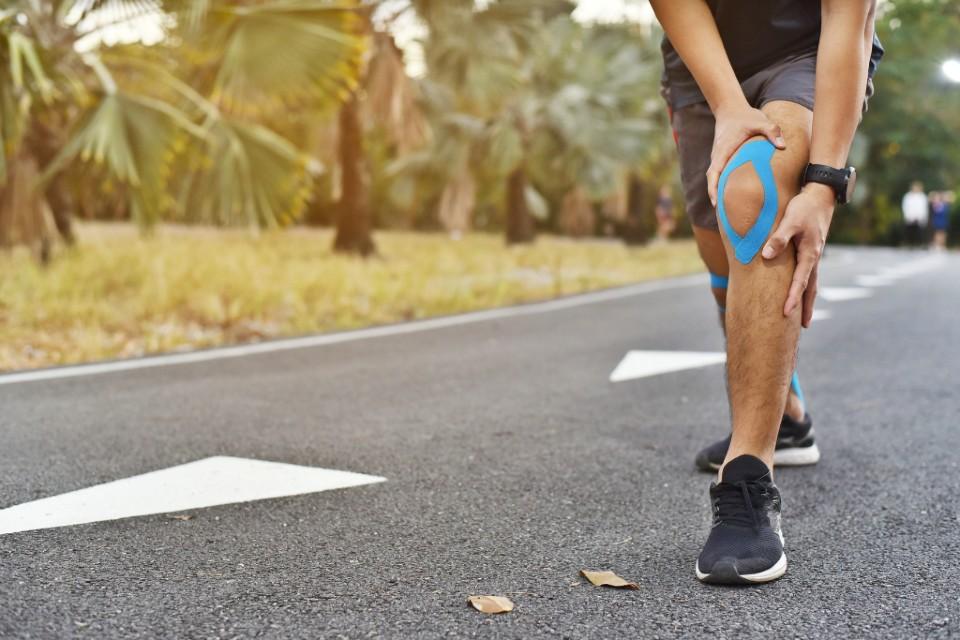
Also known as "runner’s knee", PFPS is one of the most common reasons for knee pain on stairs. It can develop from overuse, weak muscles, or poor knee alignment.
The pain often gets worse when you bend your knee again and again, such as when climbing stairs, kneeling, or squatting.
Chondromalacia Patellae
This condition happens when the cartilage under the kneecap becomes soft or breaks down. It can cause irritation and pain, especially when the knee is under pressure, such as during stair use or standing from a seated position.
Knee Osteoarthritis
Osteoarthritis is the gradual wearing down of cartilage in the knee. As the joint surface becomes rougher, you may feel stiffness or pain during weight-bearing movements like climbing stairs.
This is more common with age but can also affect younger adults with a history of injury or heavy physical activity.
Meniscus Injury
The meniscus is a piece of cartilage that cushions your knee. If it tears, the joint may feel painful, swollen, or unstable.
Using stairs can make it worse because the movement puts pressure on the damaged tissue.
Quadriceps or Hip Muscle Weakness
The muscles around your knee and hip help guide and support your movements. If they are weak or unbalanced, your knee may move in the wrong way, placing extra stress on the joint during stair climbing.
What Can You Do If You Have Knee Pain When Climbing Stairs?
If climbing stairs has become a daily struggle, the good news is there are simple steps you can take to ease the pain.
1. Modify Your Movement
Changing how you use the stairs can reduce pressure on your knees:
- Use a handrail for support
- Take one step at a time, especially when going down
- Step up with your stronger leg first, and lead with your weaker leg when going down
2. Strengthen Key Muscles
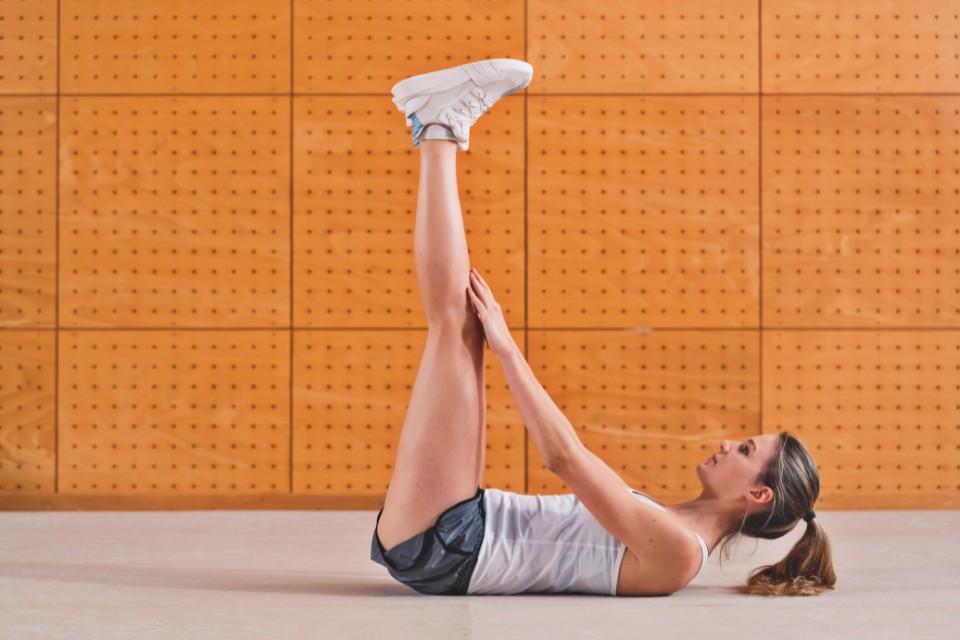
Building strength in the muscles that support your knee can improve how your joint moves and feels. Focus on the quadriceps, glutes, and hip stabilisers.
- Helpful exercises include:
- Straight leg raises
- Glute bridges
Step-ups with slow and controlled movement
Start slowly and increase the intensity gradually. If you are unsure how to begin, consider speaking with a physiotherapist or knee specialist.
3. Address Biomechanical Issues
Foot position, arch support, and past injuries can all affect the way your knee moves. Flat feet or poor alignment may cause the knee to track incorrectly. In some cases, custom shoe inserts, changes in footwear, or physiotherapy-led gait retraining can help improve your movement patterns.
4. Apply Ice and Manage Inflammation
If your knee feels swollen or painful after using stairs, applying an ice pack for 10 to 15 minutes may help reduce inflammation. Some people also find short-term relief with over-the-counter anti-inflammatory medicine. Always speak with a pharmacist or doctor before starting any medication.
When Should You Seek Medical Attention
You should consider seeing a doctor or knee specialist if your knee pain:
- Lasts more than a few days
- Gets worse with activity or use
- Comes with swelling, a feeling of instability, or locking
- Interferes with your normal daily activities
Getting your knee assessed early can help identify the underlying cause and reduce the risk of further strain or long-term damage. Taking small steps now can make a big difference to your knee health over time.
Protecting Your Knees for the Long Term
Your knees work hard every day, helping you move through life one step at a time. Taking care of them now can make a big difference as you grow older. Simple habits like strengthening your leg muscles, staying active, and paying attention to early signs of pain can help reduce stress on the joints and keep them healthy.
If you are not sure why your knee hurts on the stairs, or if you have been putting up with pain for a while, this may be a good time to speak with a healthcare professional. Acting early gives you more ways to stay active, move comfortably, and enjoy your daily routine with confidence.
With the right care, your knees can continue to support you for many years to come. Staying mobile and pain-free is possible, and small steps today can lead to a more comfortable and active future!