


















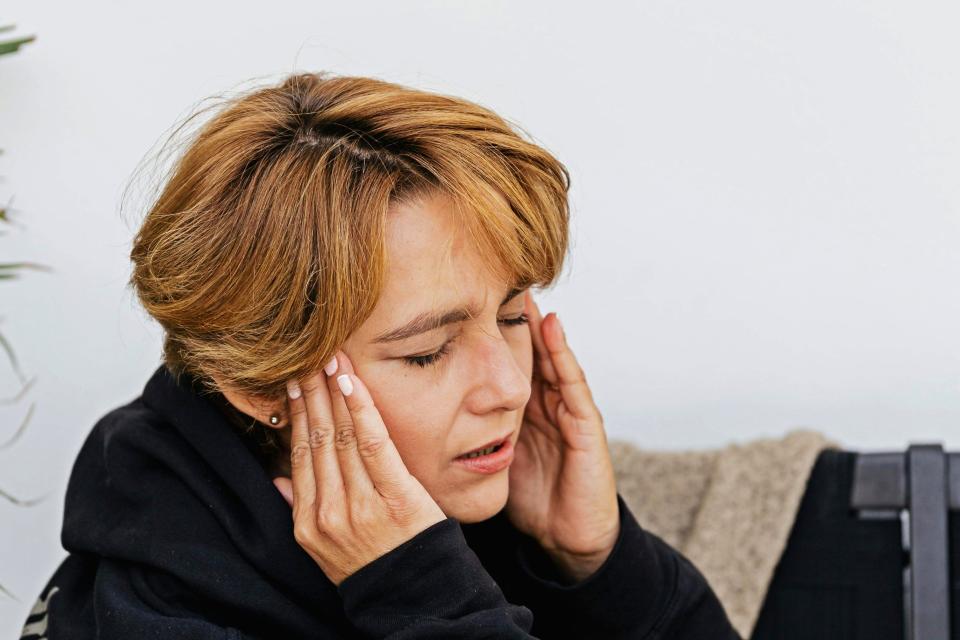
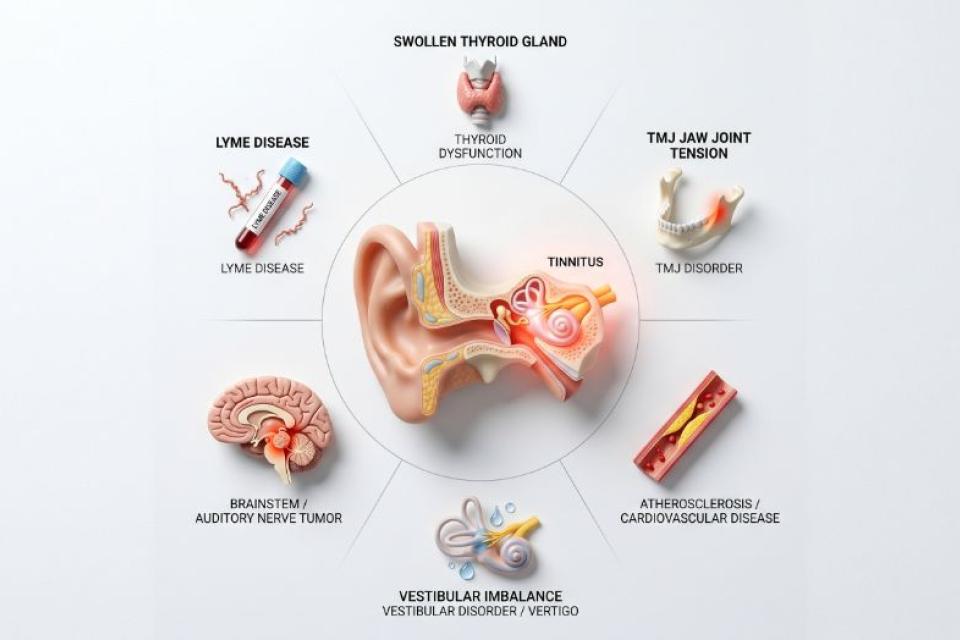
Tinnitus refers to the sensation of hearing ringing or other sounds in one or both ears even when there is no external acoustic source. It is a common problem that affects around 15% to 20% of people, mostly older adults. While tinnitus does not usually disrupt daily life, it can sometimes affect mood, focus, and sleep; in severe cases, it can lead to anxiety and depression.
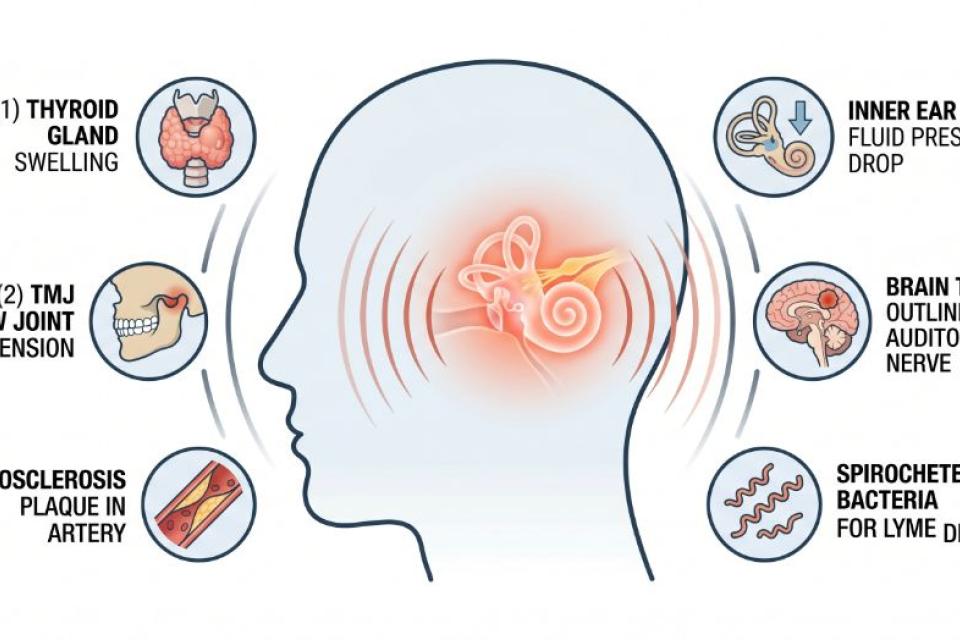
Rather than being a disease on its own, tinnitus is often a symptom of other underlying medical conditions, from ear injuries to age-related hearing loss. As such, identifying the cause of tinnitus can be an important step in understanding how to manage or reduce the symptoms. Below, we will discuss several conditions that may be associated with tinnitus to help individuals recognise when it’s time to visit a tinnitus specialist Singapore patients trust for proper evaluation.
Age-Related Hearing Loss
Presbycusis or age-related hearing loss is one of the most common conditions associated with tinnitus. As people age, gradual changes can occur in the inner ear, affecting how sound is detected and processed. These changes may cause difficulty hearing certain sounds or understanding speech in noisy environments. Along with these hearing changes, tinnitus may also manifest as a persistent ringing or similar sound.
The inner ear contains thousands of tiny sensory hair cells that convert mechanical sound vibrations into electrical signals that the brain interprets. Over time, these cells may become damaged or less responsive, which can affect how these signals reach the brain. As a result, sounds can become reduced or distorted, and the brain may attempt to compensate by producing internal sensations that are perceived as tinnitus. Hearing evaluations and supportive treatments may help individuals better manage both presbycusis and tinnitus symptoms.
Ear Injury
Physical injury to the ear or surrounding structures can also contribute to tinnitus. A ruptured eardrum after exposure to very loud sounds or fractures caused by trauma to the head and ears can disrupt the normal functioning of the auditory system and interfere with the way sound signals travel to the brain.
When structures in the inner ear are damaged, particularly the delicate hair cells within the cochlea, the signals sent through to the brain may become irregular. These abnormal signals can create the perception of sound even though no external sound source exists. Individuals who experience tinnitus following an ear injury may also notice changes in hearing ability or discomfort in the ear. Seeking medical care after an ear injury can help determine whether the auditory system has been affected.
Earwax Blockage
Cerumen or earwax is a natural substance composed of sweat, sebum (skin oil), dead skin cells, and hair that helps protect the ear canal by trapping dust and small particles. Normally, the ears clear excess cerumen naturally. In some cases, however, earwax can build up and create a blockage that interferes with the normal movement of sound into the ear.
Impacted earwax, which may be caused by the use of cotton swabs or hearing aids, can block the ear canal. This can affect hearing and create a sense of pressure inside the ear. These changes in hearing perception may contribute to tinnitus in some individuals, along with muffled hearing or discomfort. Proper removal of excess wax by a healthcare professional can often improve hearing and reduce tinnitus related to impaction.
Ménière’s Disease
Ménière’s disease is a rare chronic inner ear disorder that affects both hearing and balance. The condition is believed to be linked with abnormal levels of a fluid called endolymph within the inner ear structures, which helps with hearing and balance. These changes in endolymph levels can disrupt the normal signals involved in hearing and spatial orientation.
Along with episodic vertigo and fluctuating hearing ability, tinnitus is a commonly reported symptom among individuals with Ménière’s disease. These symptoms may appear suddenly and may vary in intensity over time. Managing this condition focuses on reducing symptoms and improving quality of life for people living with the condition.
Temporomandibular Joint Disorders
Temporomandibular joint or TMJ disorders involve problems with the joint that connects the jawbone to the skull. Because it is located close to the ear canal, issues affecting the TMJ may influence nearby auditory structures. In some individuals, this relationship may contribute to tinnitus.
Inflammation or tension in the jaw joint can affect nerves and muscles around the ear. As such, people with TMJ disorders may notice tinnitus along with jaw discomfort or difficulty moving the jaw normally. Treatment approaches may involve dental care or physical therapy aimed at improving joint function.
Idiopathic Tinnitus
In some cases, tinnitus can also develop even when medical examinations do not reveal a specific underlying condition. This is described as idiopathic tinnitus, which indicates that the ringing or internal sound occurs without a clearly identifiable medical cause.
It is generally believed that idiopathic tinnitus may involve changes in how the brain processes auditory signals. While the exact cause may not always be identified, healthcare professionals can still recommend management strategies to reduce the impact of tinnitus on daily life.
Tinnitus may be a common symptom, but it can stem from a range of different underlying causes. Because of this, it is important for people experiencing tinnitus to consult a qualified medical professional to determine which of these conditions may be causing their symptoms. Furthermore, by understanding the diseases associated with tinnitus and taking proactive steps to address it, individuals can help ensure they receive the correct treatment and avoid any complications that may arise from untreated underlying conditions.