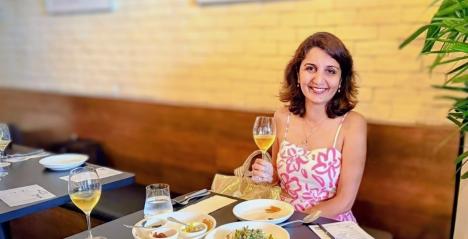





















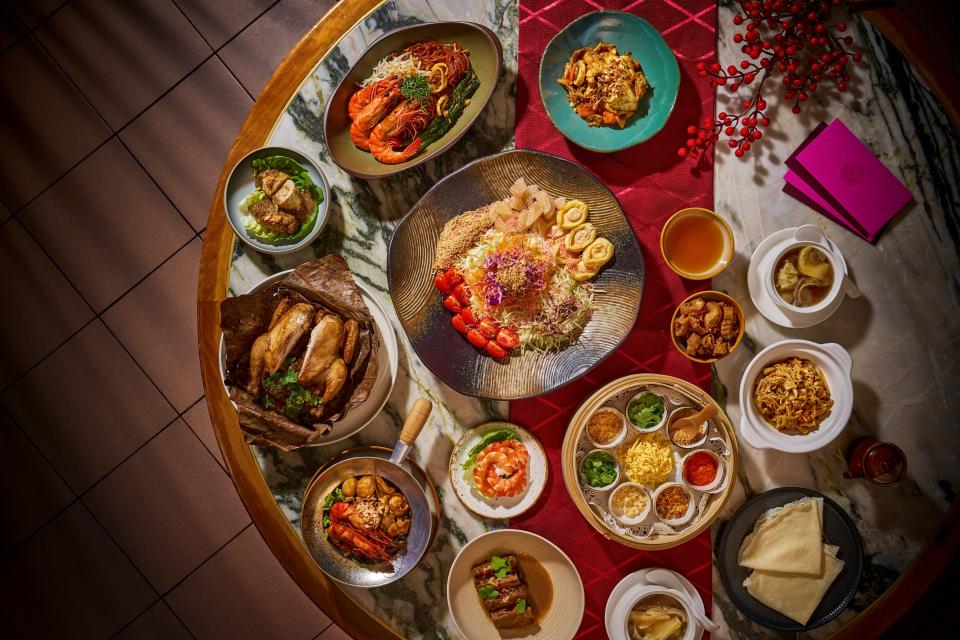
If you are planning a Chinese New Year meal that feels special without turning into a logistical marathon, The Warehouse Hotel and its signature restaurant, Po, are one of Singapore’s quiet wins. In this guide, you’ll learn why this riverside heritage godown is an excellent choice for expat gatherings, what "Nanyang heritage cuisine" looks like on a modern plate, and how Po makes Singapore’s flavour story enjoyable—whether you’re hosting visiting family, organising a team lunch, or simply seeking a festive meal with polish and soul.
At ExpatChoice.Asia, we have spent nearly a decade documenting the way expats actually live, eat, drink and explore Singapore—through first-hand experiences, not generic listicles. As we move towards our 10th anniversary in 2026, our food and wine coverage remains grounded in what matters on the ground: consistency, value, real ambience, and places that deliver on the promise for diverse palates, cultures, and occasions.
The Warehouse Hotel sits along the Singapore River near Robertson Quay, housed in a 19th-century spice and spirits warehouse that once served the trade routes of the Straits of Malacca. Today it operates as a 37-room boutique hotel with a design-forward identity: exposed trusses, industrial bones, and warm finishes that read as modern luxury rather than themed nostalgia.
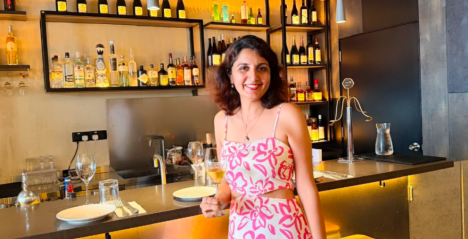
For expats, the location is part of the appeal. Robertson Quay is walkable and riverside, with an easy rhythm of cafés, galleries, and wine spots—ideal for gatherings that start as lunch and naturally drift into an afternoon. The lobby bar also hits a sweet spot: high ceilings, craft cocktails, and atmosphere, without the performative “heritage concept” energy that can feel forced.
Po: Nanyang heritage cuisine that translates beautifully at the expat table
Po positions itself as “Singapore’s Nanyang Heritage Cuisine”—a nod to the overlapping culinary roots that shaped the city: Chinese, Malay, Indian, Eurasian, and Peranakan influences, carried through families and reinterpreted across generations. Even the name leans into that sense of lineage, referencing “Popo” (grandmother), without turning the experience into a museum piece.
At the helm is Chef Desmond Yong, drawing on Hakka and Peranakan roots to create food that feels familiar in spirit but disciplined in execution. The appeal lies in the duality: the flavours read like comfort food, yet the plating and technique signal intention.
This is exactly why Po works so well for expats. It does not ask you to “figure Singapore out” in one chaotic hawker sprint. Instead, it offers a calm, curated entry into heritage flavours—served with pacing, glassware, and service standards that international diners instinctively understand.
Why it makes sense for Chinese New Year gatherings
Chinese New Year in Singapore can be thrilling—and slightly intimidating. Reservations tighten, traffic patterns shift, groups get larger, and the mix of traditions at the table can be difficult to navigate if you are hosting guests from different cultures or generations.
Po’s “affordable luxe” positioning is one of its strengths here. It sits between two extremes:
-
Not a cavernous ballroom banquet that can feel anonymous
-
The restaurant does not provide ultra-fine dining pricing, which could potentially turn a festive gathering into a financial shock.
For expat families, visiting friends, and corporate hosts, that middle ground is often the ideal: a meal that feels elevated but still human, warm, and attainable.
You also get a practical advantage: a team that is accustomed to explaining both the food and the rituals in clear English. For anyone new to lo hei (the Yu Sheng toss), this matters. And for groups managing preferences or restrictions, the menu structure and kitchen flexibility can make hosting far easier than more traditional banquet formats.
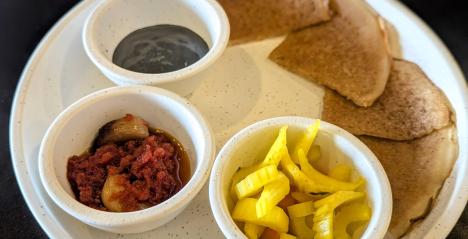
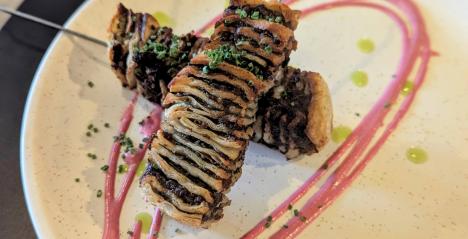
Expect to see familiar dishes that embody the essence of Singapore on your plate.
Po’s strength is not “fusion”. It is translation—taking culturally specific flavours and making them legible and enjoyable without sanding away their identity.
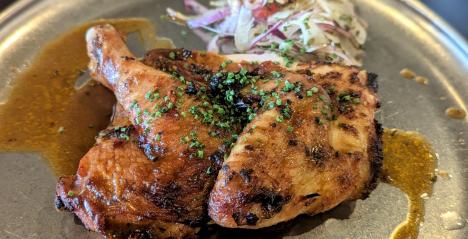
The menu examples that capture this trait best include dishes like:
-
Yellowtail ikan kerabu with bright calamansi cure
-
Samsui chicken dressed with scallion oil and ginger
-
Silken house-made bean curd that leans into clean, comforting texture
-
Wok-fried noodles with dark soy depth and that satisfying wok character
There is usually something in each dish that feels familiar—technique, texture, an ingredient, a comforting format—while the aromatics and sauces do the storytelling: ginger, garlic, fermented notes, rempah-like warmth, and restrained layering rather than blunt heat.
Vegetable and tofu dishes also tend to perform unusually well in this style of kitchen, which is good news for pescatarians, flexitarians, and vegetarians who often get sidelined during festive set-menu dining. If your Chinese New Year table includes mixed dietary needs, Po’s approach is naturally more inclusive without announcing itself as “diet food”.
The Warehouse + Po in one sentence
If you want a Chinese New Year meal (or any celebratory lunch) that feels distinctly Singaporean, thoughtfully designed, and genuinely comfortable for an international group, Po at The Warehouse Hotel is a strong, low-friction choice—heritage with clarity, and flavour with finesse.
Expat Choice tips for planning your visit
-
Best for: visiting family, client hosting, mixed-diet groups, and expats who want heritage flavours without the learning curve.
-
Make it a day: lunch at Po, then a slow river walk at Robertson Quay—this is one of those Singapore afternoons that feels “lived in”, not touristy.
-
If your table is new to CNY, choose a format that allows sharing, ask the team to guide the flow, and let the ritual feel enjoyable rather than intimidating.