




















Asia’s 50 Best Restaurants reveals its 2026 extended 51–100 list, spotlighting rising chefs and new dining cities across the region. Singapore secures two places as Asia’s culinary map expands with fresh talent and global influence.
Across Asia’s ever-evolving dining landscape, the anticipation surrounding the annual rankings by Asia’s 50 Best Restaurants rarely rests on the final ceremony alone. The unveiling of the extended 51–100 list has quietly become one of the most revealing snapshots of the region’s culinary future, offering early insight into emerging talent, rising destinations and the restaurants shaping Asia’s next gastronomic chapter.
The 2026 extended list stretches across 27 cities, four more than the previous year, signalling a dining scene that continues to widen both geographically and creatively. From established capitals of cuisine to smaller culinary outposts now finding global recognition, the list reflects a region where innovation thrives as much in neighbourhood kitchens as it does in destination dining rooms.
Beijing claims the highest-ranked new entry this year with Chef 1996 at No.52, an intimate all-private-rooms restaurant that speaks to China’s growing appetite for refined and deeply personal dining experiences. Meanwhile, Seoul leads the extended list with seven restaurants, underlining the Korean capital’s current culinary momentum. One of its newest arrivals, San at No.54, has already earned attention as the recipient of the One To Watch Award, hinting at a future that may soon extend into the coveted top 50.
Japan’s culinary diversity also plays a strong role in this year’s extended ranking. In Tokyo, chef Shunji Hashiba continues to refine Edomae traditions at Sushi Shunji, which debuts at No.63. Beyond the capital, regional destinations are gaining renewed recognition. Kanazawa welcomes two new entries, while the mountain town of Nishikawa enters the list for the first time through Dewaya, a historic ryokan where seasonal mountain vegetables and quiet craftsmanship reflect the deep connection between cuisine and landscape.
Elsewhere, Asia’s dining map continues to expand in unexpected directions. Busan appears on the ranking for the first time through Fiotto, a modest Italian restaurant run by a husband-and-wife team whose menus are shaped by produce grown on their family farm. In Chengdu, the tiny five-table restaurant Co- introduces diners to multicourse tasting menus inspired by the chef’s travels, proving that scale rarely limits imagination.
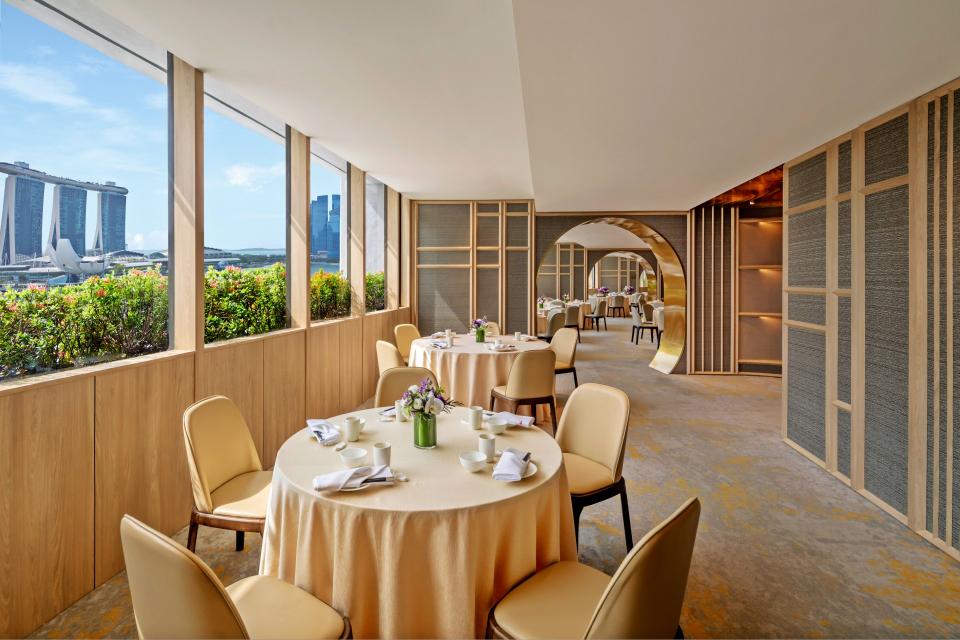
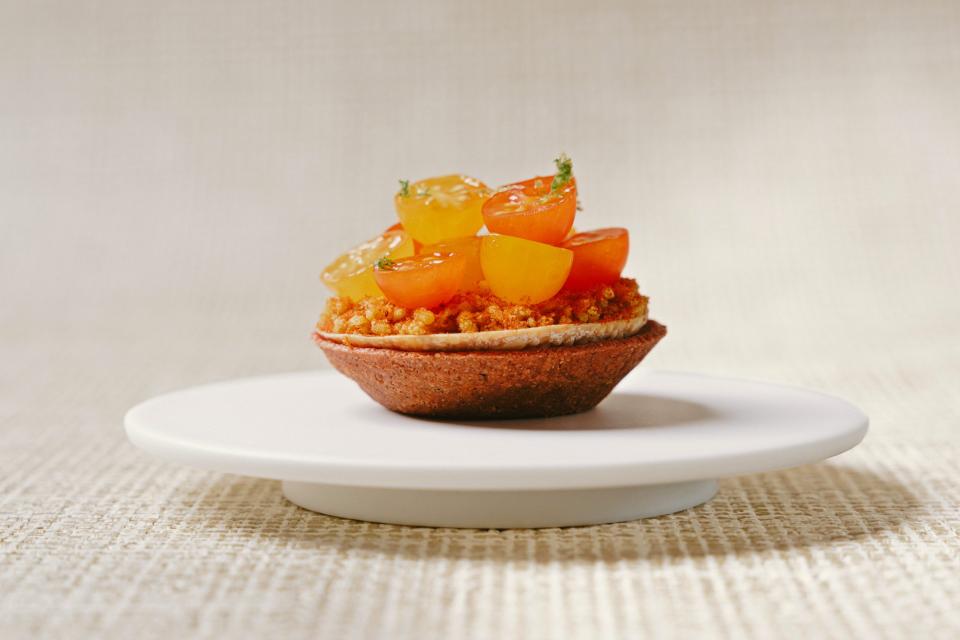
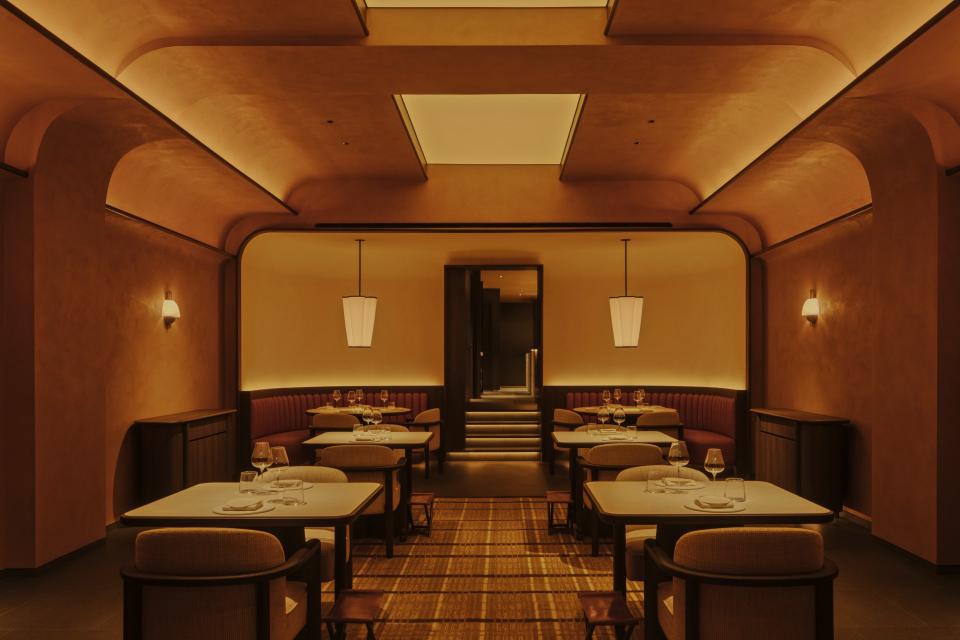
For Singapore, the extended list reinforces the city’s continued role as one of Asia’s defining culinary hubs. In Singapore the restaurant Thevar makes it onto the list at No.58, climbing an impressive 12 places from last year. Chef Mano Thevar’s bold exploration of Indian flavours, interpreted through contemporary techniques and global influences, reflects the kind of cultural confidence that increasingly defines Singapore’s dining identity.
The city also celebrates the return of Peach Blossoms at No.78, where refined Cantonese cuisine continues to resonate with diners seeking both tradition and quiet innovation. Together, these entries illustrate how Singapore balances heritage and experimentation within a highly competitive culinary landscape.
Further south, Kuala Lumpur’s Dewakan records the most significant rise on the list, jumping 22 places to No.62. Chef Darren Teoh’s continued exploration of indigenous Malaysian ingredients demonstrates how chefs across Asia are increasingly turning inward, drawing inspiration from local ecosystems and forgotten traditions.
This year’s extended list introduces 12 new restaurants and welcomes representation from cities that had not appeared in the rankings just a year ago. The result is a portrait of Asian gastronomy that feels both rooted and restless, anchored in heritage while constantly searching for new forms of expression.
As the culinary world turns its attention to Hong Kong, where the final Asia’s 50 Best Restaurants 2026 rankings will be revealed on 25 March, the extended list already tells a compelling story. Across the region, from farm-driven kitchens in Busan to experimental counters in Chengdu and refined dining rooms in Singapore, Asia’s next generation of culinary excellence is quietly taking its place at the table.
w. www.theworlds50best.com/asia